OtherEN
Intro to Git — Snapshots, Branches & Sharing
 WorkshopyOfficial
10 stepsQuiz9 interactiveDiagram
gitversion controlbeginners
Used by 1 teacherBeginner
Customer service training activities: choose replies in branching conversations, watch the customer cool or heat up, and practise saying no calmly.
WorkshopyOfficial
78 lessons · used by 2 teachers
Sign in to copy it to your workspace. It’s free.
9 steps · 2 quizzes · open any step, or read it here
This customer service training starts where every support team's hardest moments start: a customer who is already angry before you've said a word. The training activities here let you practise handling difficult customers by choosing what to say, turn by turn, and seeing what each reply does to the conversation.
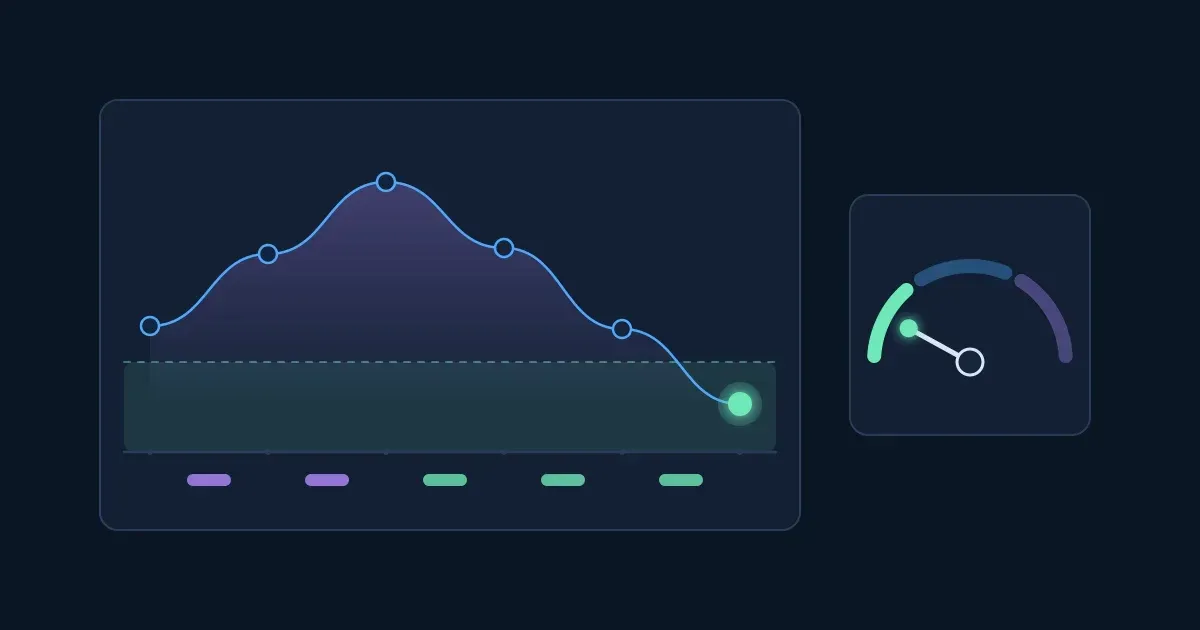
Interactive · A heated conversation, turn by turn — try it in the lesson
You just watched one conversation's temperature: it climbed while the replies missed, and came down into the calm zone as better replies landed. In this lesson you learn to make that second half happen on purpose.
You need a browser. No background in customer service is needed.
A difficult customer is rarely difficult for no reason. Behind the raised voice there is usually a problem that cost them time, money or face, and often a second problem: nobody seemed to care about the first one.
Most complaints carry one of four needs, and one of them usually comes first:
Answering the wrong need first is how good agents make things worse. A fast fix to someone who mostly needs to be heard feels like being processed; a long apology to someone with a deadline feels like wasted time.
Try it: read each complaint and pick the need you would answer first.
Interactive · What does this customer need first? — try it in the lesson
What changed in your reply when the need was "be heard" rather than "get it fixed"?
Takeaway: before you fix anything, decide which need comes first, and answer that one.
Calming a heated conversation is not a talent; it is a sequence of moves you can practise. This lesson uses four, in order:
Many companies teach the same idea under other names and with extra steps, such as thanking the customer or following up afterwards. The order matters more than the names: people find it hard to hear a solution until they believe you understood the problem.
Try it: one customer, one late parcel, five turns. Choose a reply each time and watch the line. Then start over and try the replies you didn't pick.
Interactive · Choose each reply and watch the temperature — try it in the lesson
Which reply sent the temperature up the most? Which of the four moves did it skip?
Takeaway: listen, acknowledge, solve, confirm, in that order; skipping a move is what heats the conversation up.
Listening is the move people skip most, because it feels slow. It is not. One sentence that says back what the customer told you saves the minutes they would spend repeating it, louder.
A good say-back has two parts:
Leave out your guesses about the cause, and anything about yourself ("we've been very busy today"). A say-back that only has feeling sounds warm and empty; one that only has facts sounds like a machine.
Try it: for each message, pick the reply that shows you listened. The meters show how much of the facts and the feeling it says back.
Interactive · Say it back: facts and feeling — try it in the lesson
Notice that the best replies are not longer than the others. They are more specific.
Takeaway: say back the facts and the feeling before you say anything else.
Some phrases reliably raise the temperature, whatever your tone: "calm down", "that's our policy", "as I already said". They tell the customer that the problem is them. Others reliably lower it, because they move you to the customer's side of the problem.
You rarely need to drop what you meant to say. "That's our policy" often hides something true and useful (you can't refund it); the fix is to say the true thing plainly and follow it with what you can do.
Try it: mark each phrase as one that helps or one that hurts. When you get one right you'll see why, and for each phrase that hurts, a better way to say the same thing.
Interactive · Phrases that help and phrases that hurt — try it in the lesson
Which of the phrases that hurt do you hear in your own team? What would you put in its place?
Takeaway: drop the words that blame or close the door; keep the message, and say what you can do.
Four quick questions on what you have practised so far.
Question 1. A customer writes: "This is the third time I've explained this." What do they need first?
Question 2. What is the right order of the four moves?
Question 3. Which say-back has both the facts and the feeling?
Question 4. Which phrase is most likely to calm a heated conversation?
Now the conversation branches: each reply leads the caller somewhere different. A customer has been charged twice for one order and has called in already annoyed.
On the phone you have no time to draft, and the caller can't see your face, so your words carry everything. Two habits help most here: say the problem back before you touch the account, and give a time with every promise. If you make a mistake in a sentence (everyone does), owning it straight away cools the call faster than defending it.
Try it: take the call. Your tasks are listed under the conversation; there is more than one path that finishes them. When you are done, start over and take the worst path on purpose, to see how quickly it goes wrong.
Interactive · A double charge: take the call — try it in the lesson
Which reply was the hardest to resist? Why does "our system doesn't charge twice" feel natural to say, and still heat the call?
Takeaway: check before you defend, and put a time on every promise.
Sometimes the answer really is no. A ticket is non-refundable, a discount has ended, an exception isn't yours to make. Saying no is not what heats a conversation; saying it badly is.
Three habits make a no easier to hear:
Try it: a customer wants a refund for a workshop ticket that can't be refunded. Keep the no, and still finish in the calm zone.
Interactive · A refund you can't give: keep the no, keep it calm — try it in the lesson
The answer was no on every path. What made the calm ending possible?
Takeaway: a clear no, said once, followed straight away by what you can do.
Written replies are where difficult conversations are often won or lost: the customer can read your words three times, and forward them. The good news is that you can fix a written reply before it goes.
Below is a real-sounding reply that is not rude on the surface, and still made things worse. It reminded the customer of what was already said, blamed them for not reading, and closed the door.
Try it: rewrite the reply in your own words. Acknowledge the problem, give a next step with a time, and take out the blame. The check looks for those three habits in what you write; it is a rough guide, so read your reply aloud too.
Interactive · Rewrite the reply — try it in the lesson
Compare your version with the example. What did you keep from the original reply, and what did you drop?
Takeaway: a written reply should acknowledge, say what happens next and when, and blame nobody.
The four moves calm most conversations. Some need something else.
Bring in a manager (or a team lead, or whoever your company names) when the fix is beyond what you are allowed to do, when you have gone round the same answer several times and a new voice might help, or when the customer asks for one and still wants one after you have offered to help. Tell the customer what you are doing and why, and hand over what you know so they don't have to start again.
End the conversation when the abuse is personal and keeps going after a calm warning, or when there is any threat of harm. Do it in a few plain sentences: say what you will do, offer another way to continue if your policy allows, and record what happened. A threat of harm is never yours to handle alone.
These are habits, not law. Every company draws these lines a little differently, and the right answer is always the one in your company's policy. If you don't know where your company draws them, find out before you need them.
Try it: for each situation, choose whether you would keep going, bring in a manager, or end the conversation.
Interactive · Keep going, bring in a manager, or end it? — try it in the lesson
Which of these situations does your company's policy cover? Which would you need to ask about?
Takeaway: anger at the problem is yours to calm; abuse and threats are not yours to absorb.
Six questions on the whole lesson.
Question 1. A caller is shouting about a late delivery. What is the best first move?
Question 2. Which of these are part of a good acknowledgement? (pick all that apply)
Question 3. Which "Solve" reply is best?
Question 4. You can't give the refund the customer wants. What should you say?
Question 5. Why do you say the plan back at the end of a conversation?
Question 6. A customer keeps insulting you personally after you have calmly asked them to stop. What do you do?
Workshopy shares this lesson under CC BY 4.0. Anyone may use and change it, with credit to you. Anyone can learn it here, free. A copy in your workspace is yours to change and run live; your students never need an account.
Version 1Current
· First published
Copies are made from the current version. A copy you already have doesn’t change.
WorkshopyOfficial10 stepsQuiz9 interactiveDiagram
gitversion controlbeginners
WorkshopyOfficial16 steps2 quizzes15 interactiveDiagram
workshopyproduct touronboarding
WorkshopyOfficial10 steps2 quizzes10 interactive
data-literacystatisticsmean and median
WorkshopyOfficial10 steps2 quizzes9 interactive
managementokrgoal setting
WorkshopyOfficial10 steps2 quizzes9 interactive
managementproject managementcritical path
WorkshopyOfficial10 steps2 quizzes9 interactive
managementtime managementeisenhower matrix
Comments
No comments yet. Be the first to say how it went.